Ancient Olympics
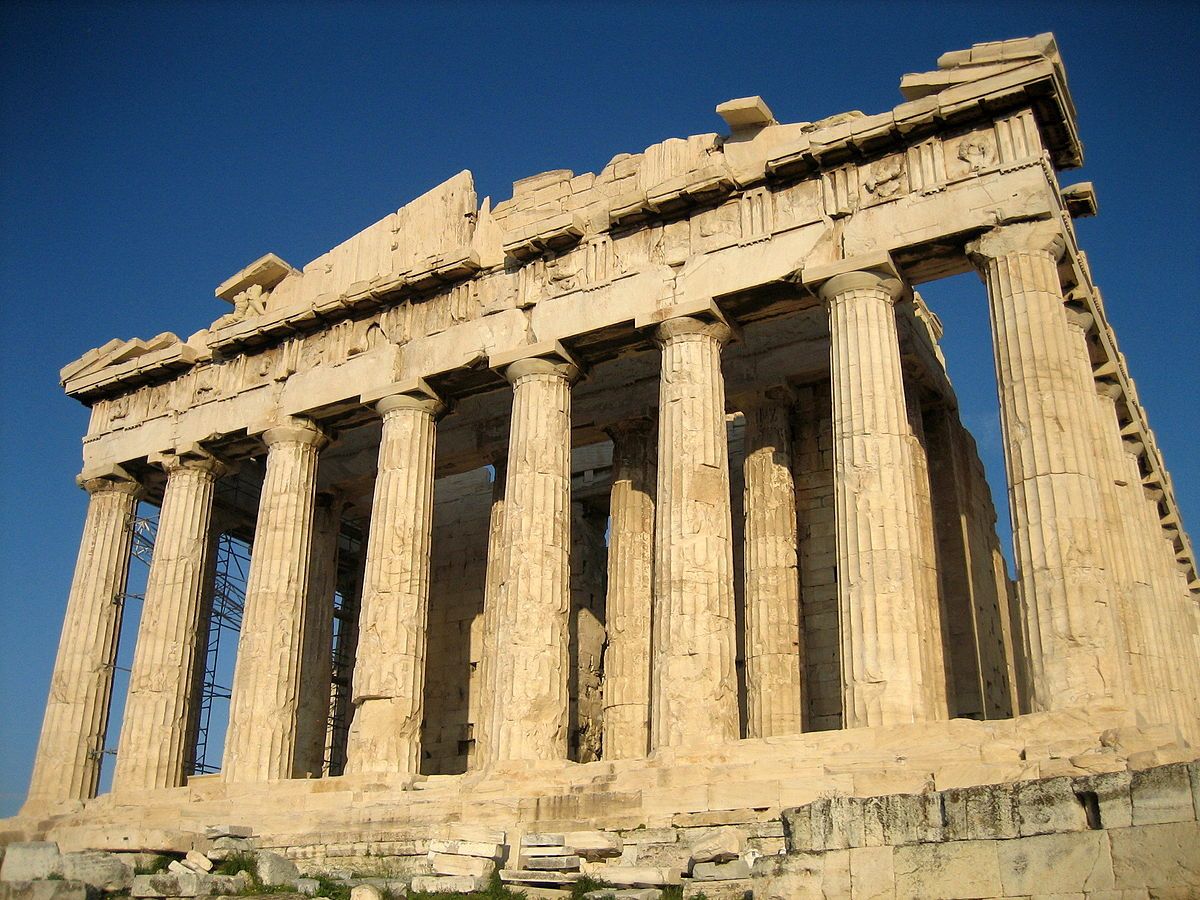

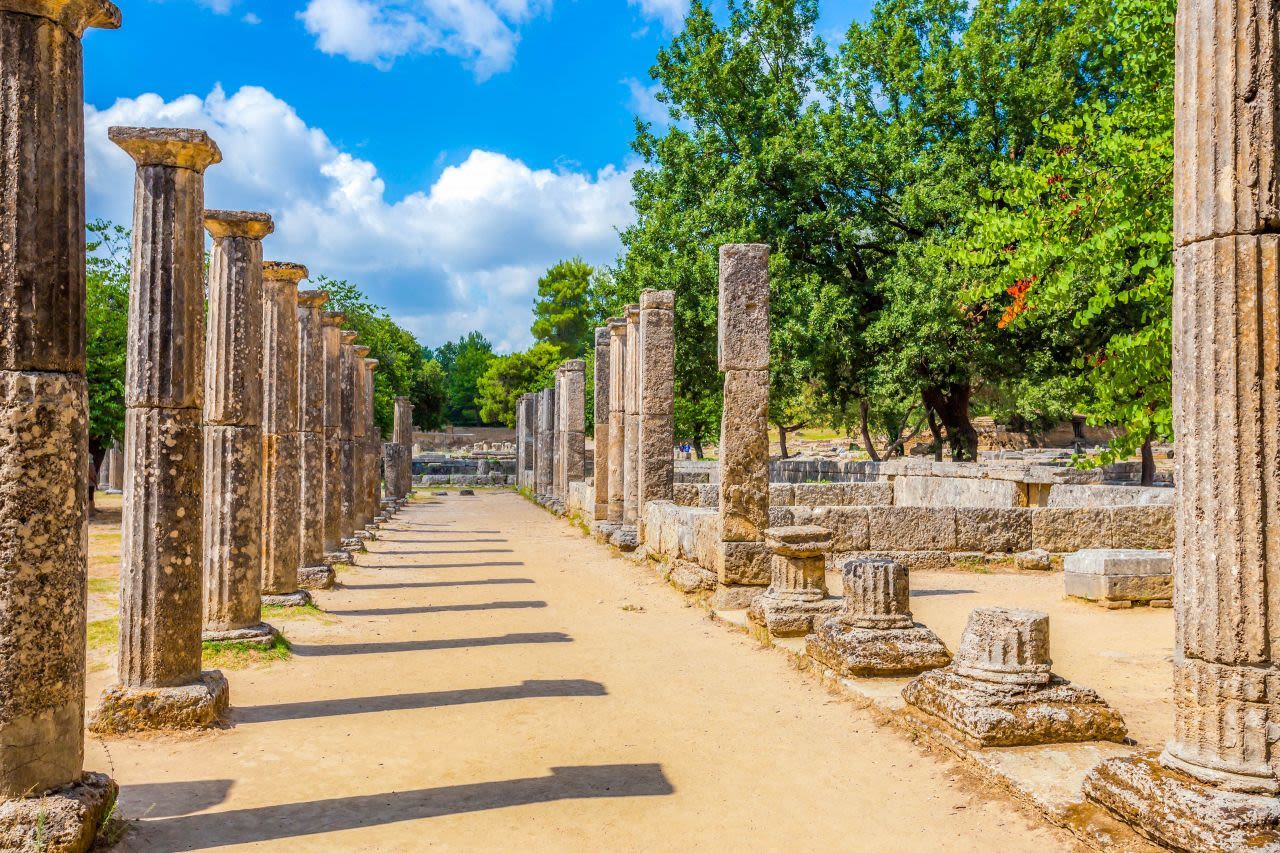
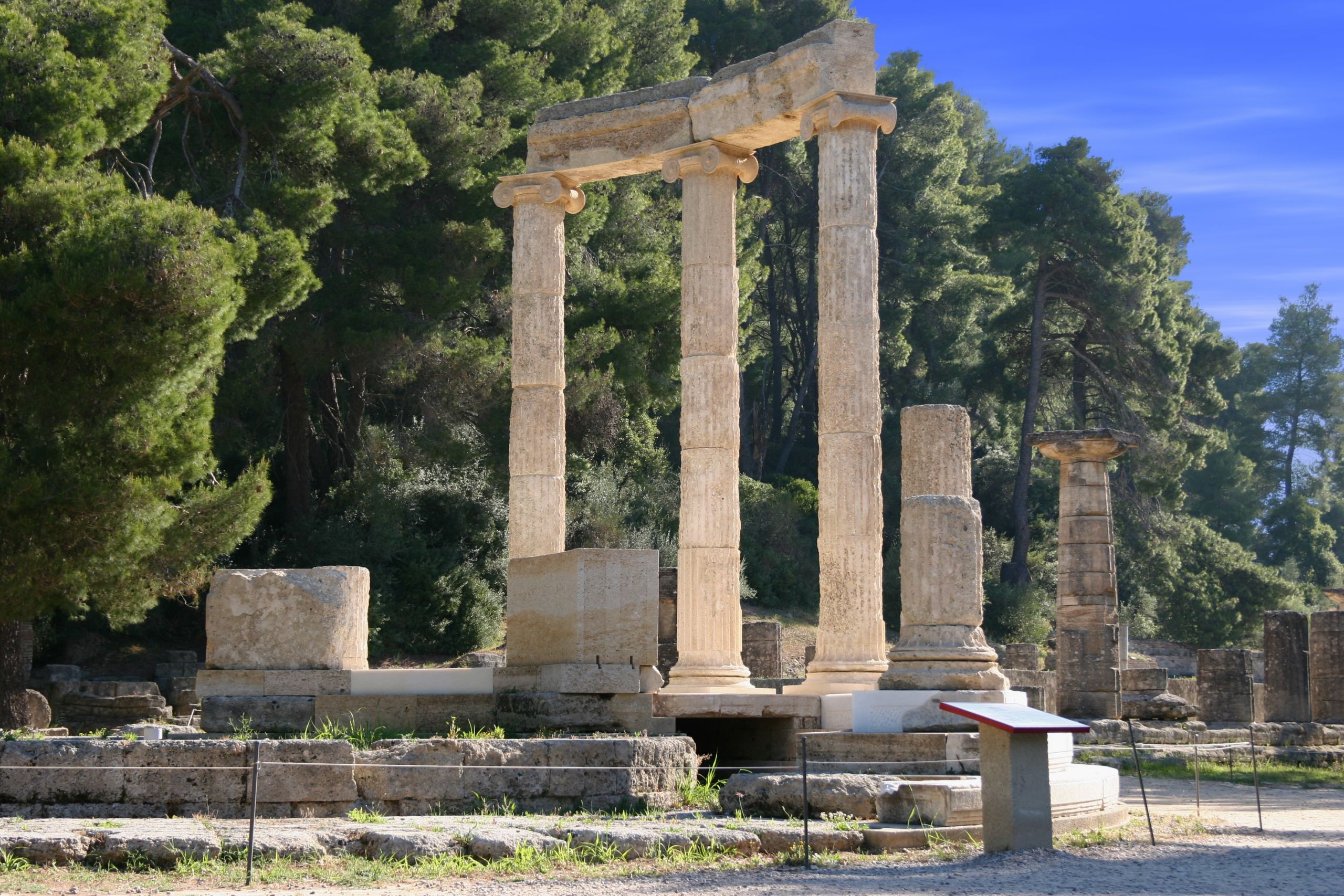
In 776 B.C. (around 3,000 years ago) the first Olympic game took place. Originally, the games were started as a religious festival to honour Zeus (Zeus was the king of gods.) Although the games were named after Mount Olympus the events were not held there. Instead, they took place in Olympia (located near Greece’s southwest coast).
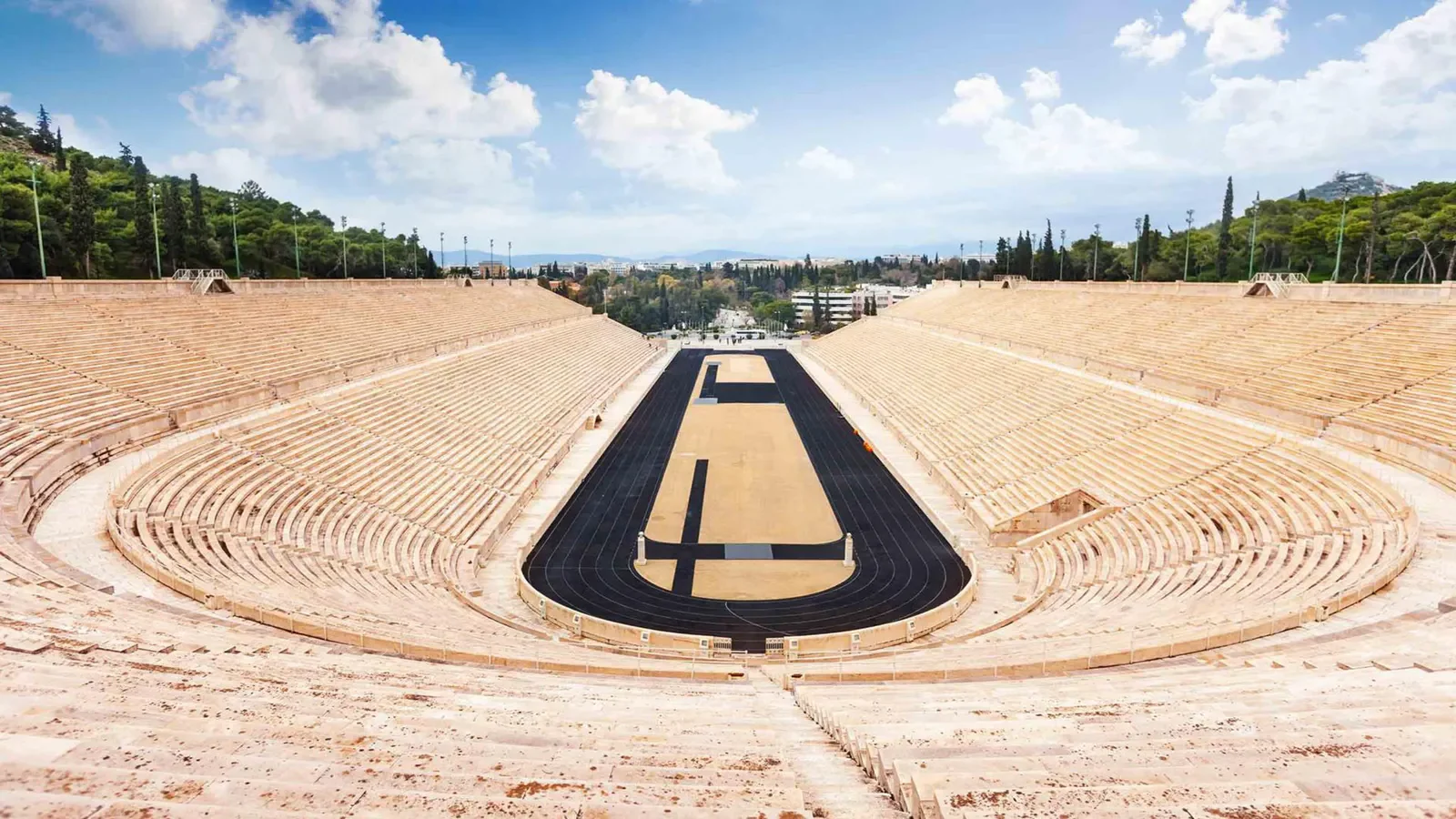
As The Greeks loved sport they decided to build a huge building where the Olympic Games were held. The Olympics games were the biggest sporting event in the ancient Greek calendar. Every four years, around 50,000 people went to see the world famous Olympics to take part and to watch.

Who competed in the Olympics?

- Athletes had to be a free man (no slaves) who spoke Greek.
- Athletes had to be youthful or at least youthful looking.
- Athletes were supposed to be men however there is a record of one woman winning an event.
- They had to take a vow to Zeus that they had been training for ten months.
Sports represented at the Olympics
- The first Olympics had only one event; it was a 200m running race.
- In the 14th Olympics they added a new event; it was a 400m running race.
- Over the years the added more events such as more running events, wrestling, chariot racing, boxing and pentathlon.
- Although they had similar events they had fewer and different rules. This led to more injuries and possible death. However if a boxer killed the other boxer the dead person would get the win.
- There were no team sports like there are today.
Rewards for winning
The winner of the games was called a hero. As well as being called a hero, they were given a wreath of olive leaves from a sacred tree from Olympia; there weren’t any medals back then. Sometimes they were given large amounts of money from their town.
What did they wear?
Men ran the races naked.


Interesting facts
- The Olympic Games were so important to the Greeks that they stopped any battles for a month before the game started.
- The Olympic Games were held for over a thousand years until 393 AD when the Roman emperor (Theodosius) banned them.
- The city was eventually buried under earthquakes and floods.
- If a competitor cheated, they were either whipped or fined and banned from competing.